
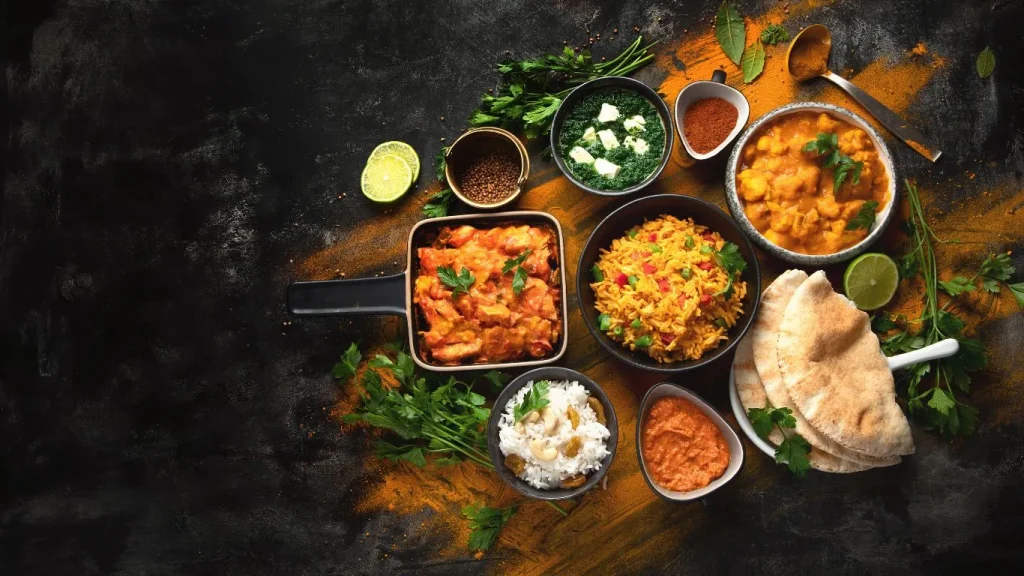
Exploring the Rich Culture of Food: More Than Just a Meal
Food is far more than just a way to fill our stomachs. It is a vibrant reflection of history, traditions, and the soul of a community. Every dish tells a story—of the land it comes from, the people who prepare it, and the culture that shapes it. From street-side delicacies to royal feasts, the culture of food is as diverse and fascinating as the world itself.
The Connection Between Food and Culture
Food culture is the combination of cooking styles, ingredients, dining customs, and social practices that define a community. It’s deeply tied to:
History: Ancient recipes passed down through generations tell stories of migration, trade, and conquest.
Geography: Local ingredients influence flavors—spices in India, olive oil in the Mediterranean, or rice in East Asia.
Tradition: Rituals and festivals often revolve around specific foods, from Thanksgiving turkey in the U.S. to Diwali sweets in India.

Traditional vs. Modern Food Practices
While traditional cuisines honor age-old recipes and cooking methods, modern food culture embraces fusion and experimentation. Today, it’s common to find sushi tacos, paneer pizzas, or vegan adaptations of classic dishes—blending heritage with contemporary tastes. This evolution keeps food culture alive and relevant, showing how societies adapt while preserving their roots.

Social Significance of Food
In many cultures, sharing food symbolizes community, love, and respect.
Family meals: Around the world, families gather over meals, strengthening bonds.
Festivals and celebrations: Special dishes mark birthdays, weddings, and religious events.
Hospitality: Offering food to guests is a universal sign of welcome and generosity.

Food as a Cultural Journey
The culture of food is a journey—one that connects us to our roots, our neighbors, and the world. Each bite is a story, each meal an experience, and each recipe a legacy. Exploring food culture allows us not just to taste but to understand, respect, and celebrate the diversity of human life.
Whether you’re cooking at home, dining out, or traveling, embracing the culture behind the food can transform a simple meal into a meaningful experience.
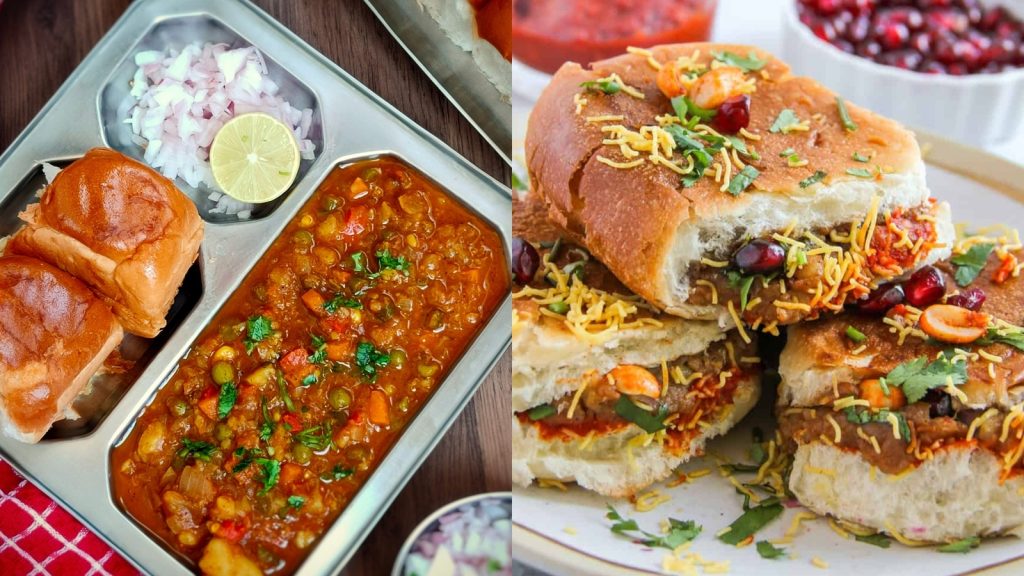
Street Food: The Heart of Food Culture
Street food is often the most authentic representation of a culture’s culinary heritage. It reflects local ingredients, quick cooking techniques, and the flavors loved by everyday people. From the chaats of India to the tacos of Mexico, street food offers a delicious lens into the daily life and culture of a place.
Preserving Food Culture
With globalization, traditional recipes face the risk of fading away. Preserving food culture means:
Supporting local farmers and markets.
Learning and sharing traditional cooking methods.
Documenting recipes and culinary stories for future generations.

Cultural Food Stories
Cultural food stories celebrate the history, traditions, and people behind every dish. They reveal how recipes are passed through generations, influenced by geography, festivals, and local customs. Each bite tells a story of heritage, community, and creativity, connecting travelers and food lovers to the heart of a culture. Exploring these stories allows you to taste not just food, but the rich traditions and experiences that make every meal unforgettable.
Traditional Food Culture
Traditional food culture reflects the heritage, customs, and history of a community or region. It celebrates recipes passed down through generations, using local ingredients, spices, and cooking methods that give each dish its unique identity. From festive meals to everyday staples, traditional food connects people to their roots, tells stories of the past, and preserves cultural values. Experiencing traditional food culture allows travelers and food lovers to savor authentic flavors while gaining a deeper understanding of the people and traditions behind every meal.
Local Lifestyle and Culture
Exploring the local lifestyle and culture gives you a true glimpse into the heart of a community. From daily routines and traditional practices to festivals, art, and food, every aspect tells a story of heritage and identity. Understanding local culture allows travelers to connect deeply with people, experience authentic traditions, and appreciate the unique ways communities live, celebrate, and thrive. Immersing yourself in local lifestyle and culture transforms every journey into a meaningful and unforgettable adventure.